Showing posts with label Causes. Show all posts

Sunday, 24 September 2023

How to Get Rid of Dark Spots

How to Get Rid of Dark Spots

How to Get Rid of Dark Spots


Introduction

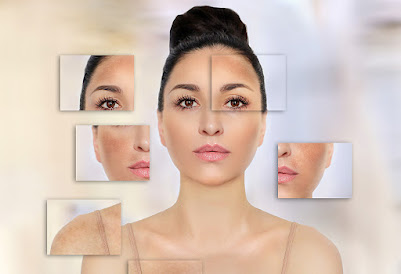
Dark spots, also known as hyperpigmentation, are a common skin concern for many people. These darkened patches on the skin can appear on the face, hands, arms, or any other area that gets frequent sun exposure. Dark spots result from an excess production of melanin, the pigment that gives skin its color. While harmless, these spots can make the complexion appear uneven and aged. 

Getting rid of dark spots once and for all requires diligence, but it can be done. This article will explore the various causes of hyperpigmentation, proven methods for fading and preventing dark spots, medical treatments, and how to determine if a spot may need a doctor’s care. By better understanding the reasons behind these skin issues and taking the right approach, you can reveal a more even, radiant complexion.

Main Causes of Dark Spots

To treat and avoid dark spots, it helps to understand what’s causing them in the first place. Here are some of the most common culprits behind hyperpigmentation:

Sun Exposure

Dark spots brought on by the sun are sometimes called age spots or sun spots. Areas of skin that get frequent UV exposure from the sun see increased melanin production, which leads to uneven pigmentation and dark patches. Sun exposure is the #1 cause of dark spots in those over 40 years old.

Hormones 

Hormonal fluctuations due to pregnancy, birth control pills, or hormone therapy medications can trigger excess melanin production that leads to dark patches on the skin. These hormone-induced dark spots are usually temporary.

Skin Injuries/Inflammation

Injuries to the skin - like acne, pimples, bug bites, cuts, or burns - can cause dark spots once they heal. The skin overproduces melanin during the healing process, leaving behind hyperpigmentation. Dark spots from past blemishes are called post-inflammatory hyperpigmentation.

Genetics

Some people are just genetically prone to producing more melanin and experiencing issues with pigmentation and dark spots. Those with darker skin tones are at a higher risk for developing hyperpigmentation.

Medications

Certain medications like chemotherapy drugs, antimalarials, anticonvulsants, and antibiotics can cause inflammation that leads to excess melanin production and dark patches on the skin. Always talk to your doctor about medication side effects.

Health Conditions

Serious health conditions like hormonal imbalances, autoimmune disorders, and metabolic conditions can trigger dark skin spots in some individuals. It’s important to rule out any underlying medical causes.

Proven Ways to Fade Dark Spots

Now that you know what causes those pesky dark spots, here are some proven ways to help fade hyperpigmentation and reveal brighter, clearer skin:

Sun Protection

Since sunlight is the #1 cause, diligent sun protection is a must to prevent new dark spots and keep existing ones from worsening. Apply a broad-spectrum sunscreen of at least SPF 30 every day, even when indoors. Avoid direct sun exposure, especially during peak hours. Wear protective clothing and a wide-brimmed hat when outside.

Exfoliation 

Gently sloughing off the surface layers of the skin encourages new cell turnover. This helps fade dark spots faster by removing the damaged skin cells that contain excess melanin. Use a chemical exfoliant containing alpha hydroxy acids 2-3 times per week or try a gentle scrub with physical exfoliants like sugar or salt.

Vitamin C Serums

Topical vitamin C is a powerhouse for fading hyperpigmentation and limiting excess melanin production. Look for serums containing L-ascorbic acid, the most researched form of vitamin C. Apply it after cleansing and before moisturizing. 

Retinoids 

Retinoids (the umbrella term for retinol, retinaldehyde, adapalene, tretinoin, etc.) are vitamin A derivatives that boost collagen, speed cell turnover, and help even pigmentation. Available both over the counter and by prescription. Use them at night and be sure to wear sunscreen during the day.

Brightening Creams

Look for creams and serums with ingredients like niacinamide, licorice root extract, kojic acid, azelaic acid, arbutin, and more. These natural brighteners interrupt melanin production to help fade dark spots and improve skin tone.

Chemical Peels

In-office chemical peels performed by a licensed esthetician or dermatologist can dramatically speed up the fading of dark spots and hyperpigmentation. The right acids will remove the damaged outer layers of skin so newer, clearer skin emerges. Often used in combination with other treatments. Provides longer-lasting results than at-home peels.

Laser Treatments

For the most stubborn dark spots that don’t respond sufficiently to topical treatments, laser therapy performed by a board-certified dermatologist offers the best solution. Lasers target pigment in the skin and break it up, helping eliminate dark spots. Provides lasting improvements in 6-8 treatments but can be pricey.

Prescription Creams

For more severe cases, a dermatologist may prescribe a medicated cream containing hydroquinone. This bleaching agent works to fade dark spots but can only be used short-term due to side effects. Often prescribed along with retinoids and/or steroid creams. Use under medical supervision.

Lifestyle Tips to Prevent Dark Spots

In addition to treating existing spots, healthy lifestyle habits go a long way in preventing new hyperpigmentation from occurring:

- Eat a diet rich in antioxidants from fruits, vegetables, whole grains, and healthy fats. Nutrients like vitamin C fight skin damage from UV exposure.

- Stay hydrated and avoid excessive alcohol intake, which can impair skin renewal. 

- Don’t pick at blemishes to avoid dark spots after healing. Keep skin free of injury.

- Manage stress levels through yoga, meditation, therapy, etc. Stress hormones impair skin health. 

- Quit smoking, which causes collagen breakdown and pigmentation issues. 

- Use self-tanning products instead of tanning beds or laying out in the sun. The tanning process causes melanin production.

- Get 7-9 hours of sleep per night. Rest is essential for cellular repair and turnover. 

With diligent skincare, lifestyle habits, and the right dermatological treatments if necessary, you can win the battle against pesky dark spots. But when should you see a doctor? Let’s go over some signs it may be time for medical help.

When to See a Dermatologist

Most cases of dark spots and hyperpigmentation can be managed with over-the-counter products and diligent care. But in certain situations, it’s best to have your spots examined by a board-certified dermatologist:

- The spot is new or changing in size, color, shape, or texture

- You have a lot of dark spots suddenly appearing 

- The spot itches, hurts or bleeds

- Home treatments have not improved the spots after 3-4 months

- You have risk factors like a family history of skin cancer

- The spot has an irregular border and is asymmetric in shape

- The discoloration is dark brown or black 

- The spot is larger than 6 millimeters wide

When in doubt, it’s always safe to get spots checked by an expert dermatologist, especially if they are new or changing. Early diagnosis and treatment are key for any potential skin malignancies. You and your doctor can then determine the best course of action whether that involves medicated creams, laser therapy, or biopsy for further testing.

Medical Procedures to Remove Dark Spots

In cases where over-the-counter treatments fail to provide sufficient improvement, a dermatologist has medical tools and procedures at their disposal to safely eliminate dark spots and hyperpigmentation. Common in-office treatments include:

Laser Therapy

As previously mentioned, laser treatments are considered the gold standard for removing stubborn pigmentation. The beams of light target and break up the melanin clusters. Several repeat sessions are usually needed for optimal results.

Chemical Peels

Medical-grade chemical peels involve applying a stronger acid solution to the skin under medical supervision to peel away pigmented layers. Deeper peels must be performed carefully to avoid complications but provide longer-lasting improvement.

Dermabrasion 

This procedure uses a rotating brush, laser, or other abrasive instrument to remove the top layers of skin. New skin then forms minus the darkened patches. Works best for raised dark spots. Requires sedation or local anesthesia.

Cryosurgery 

Liquid nitrogen is applied to dark spots to essentially freeze and destroy the extra pigment. Some redness, swelling, blistering, and crusting occur post-treatment as the skin heals. Several sessions may be necessary. Minimal scarring can occur.

Microdermabrasion

A gentler option, microdermabrasion uses a handheld wand that sprays out fine crystals to gently “sand” away the outer skin layers. Encourages new collagen and elastin while removing pigmentation. Little to no downtime is involved.  

Intense Pulsed Light Therapy

Intense pulsed light works similarly to laser therapy by targeting melanin with pulses of light energy. However, it treats a larger surface area faster than a traditional focused laser. May require multiple treatments.

With the variety of medical procedures available from dermatologists, even the most stubborn dark spots and hyperpigmentation can be resolved. Just be sure to carefully follow your doctor’s post-procedure instructions to allow the skin to properly heal.

Home Remedies to Fade Dark Spots

For mild cases of dark spots, home remedies can help lighten pigmentation when used consistently over time. Natural ingredients to try at home include:

- **Lemon juice** - Contains skin-brightening citric acid. Dip a cotton ball in juice and dab onto spots 2-3 times a week. Rinse after 30 minutes.

- **Yogurt** - Lactic acid exfoliates while zinc and B vitamins decrease melanin production. Apply a thin layer to spots daily. 

- **Apple cider vinegar** - Antimicrobial and exfoliating. Mix equal parts vinegar and water and pat onto dark spots with a cotton ball. Rinse after 20 minutes.

- **Onion juice** - Contains pigment-inhibiting phytochemicals. Rub raw onion slices on clean skin, then rinse. Can also apply extracted juice.

- **Aloe vera gel** - This soothing succulent inhibits melanin. Break open a leaf and rub the gel on spots. 

- **Buttermilk** - Exfoliates and bleaches skin due to lactic acid content. Dip a cotton ball and dab it onto spots. Let sit 20 minutes before rinsing.

- **Papaya** - Papain enzyme and vitamin C in papaya lighten dark patches. Mash ripe papaya pulp and apply to the skin for 30 minutes.  

- **Potatoes** - Contain mild acid that fades spots along with vitamins C and B. Grate a potato and rub the pulp onto clean skin. Rinse after 20 minutes.

Take care using home remedies if you have sensitive skin. Test patches first and don’t use lemon juice or vinegar remedies before sun exposure due to photosensitivity risks. For many, natural solutions can meaningfully improve the appearance of dark spots when used regularly over time.

How to Cover Up Dark Spots

While working to fade dark spots for good, you can temporarily conceal them with makeup:

- **Color corrector** - Apply green-tinted primer only on the dark spots to neutralize redness before foundation.

- **Full-coverage concealer** - Dab concealer directly onto the spot and use a damp sponge to blend edges seamlessly.

- **Foundation** - Opt for a slightly thicker, buildable medium or full coverage foundation formula to hide spots. Avoid anything too sheer. 

- **Setting powder** - Dust on mineral powder to lock in coverage and reduce chances of makeup sliding off spots.

- **Sunscreen** - Set the whole look with a makeup setting spray or powder containing SPF to protect dark spots from worsening. Reapply sunscreen every 2 hours if spending time outside.

With the right color-correcting products and application techniques, you can mask dark spots beautifully. Just be sure to remove makeup fully at night with a gentle cleanser to keep skin clear.

Can Dark Spots Be Prevented?

While you can’t avoid getting the occasional dark spot as you age or experience an acne breakout, certain measures can reduce your risks of developing extensive hyperpigmentation:

- Wear broad-spectrum sunscreen daily and limit direct sun exposure. This is the #1 preventative step.

- Incorporate skin-brightening antioxidants like vitamin C into your routine. They inhibit melanin synthesis.

- Use chemical exfoliants and retinoids to accelerate skin cell turnover so dark-spotting pigment doesn’t linger.

- Avoid picking pimples and scabs which can cause post-inflammatory hyperpigmentation after healing.

- Treat any underlying conditions, like hormonal imbalances, that may trigger excess melanin production.

- Eat a healthy diet full of antioxidants and vitamins like vitamins A, C, and E that fight free radical damage to the skin from UV exposure and other pollution.

While you can’t prevent all dark spots, diligent sun protection, healthy skin habits, and prompt treatment of any pigmentation issues can help minimize their occurrence and severity.

When to Worry About Dark Spots

Most instances of dark spots or hyperpigmentation are harmless. However, atypical moles or pigmented lesions on the skin should be examined promptly. Contact a dermatologist right away if you notice any spots that: 

- Change size, shape, or color over time

- Itch, ooze, or bleed

- Have an irregular border with a mix of colors  

- Occur suddenly in large numbers all over the body

- Are larger than 6 millimeters wide

- Are dark brown or black

Catching any potential malignancies like melanoma early is critical for effective treatment. Don’t hesitate to get a spot checked out that exhibits any unusual characteristics or changes rapidly. Regular skin self-exams are important for early detection.

Conclusion

In summary, dark spots and hyperpigmentation are common cosmetic concerns that occur due to various factors like sun exposure, hormones, inflammation, and genetics. Thankfully, there are many proven ways to treat existing spots and prevent new ones from forming. Consistent, diligent skincare and sun protection can help fade dark spots over time. In-office procedures from dermatologists provide faster results for stubborn pigmentation. 

While being vigilant about changes to any dark spots on your skin, try not to become overly discouraged by their appearance. Nearly everyone battles some level of uneven pigmentation and dark spots, especially with age. Just be diligent about sunscreen use, incorporate brightening products into your skincare routine, and see a dermatologist if any spots seem atypical. With the right plan, you can achieve beautifully clear, even-toned skin free of unwanted dark spots.

Friday, 22 September 2023

Natural Remedies for Dark Circles: Causes and Their Solution

 Natural Remedies for Dark Circles: Causes and Their Solution

Natural Remedies for Dark Circles: Causes and Their Solution


Dark circles under the eyes are a common cosmetic concern for many people. Although not usually a sign of any serious medical condition, dark undereye circles can make you look tired, stressed, or unhealthy. You will find Natural Remedies for Dark Circles and Causes and Their Solution.

Fortunately, there are many natural remedies and lifestyle changes that can help reduce the appearance of dark circles. This article will examine the most effective natural treatments for diminishing dark under-eye circles.

What Causes Dark Circles Under the Eyes?

Before looking at how to get rid of dark circles, it’s helpful to understand what causes them in the first place. Some of the most common reasons for darker circles under the eyes include:

- Genetics - Dark circles can run in families. The blood vessels and pigmentation under thinner under-eye skin become more visible and appear darker.

- Lack of Sleep - Fatigue and lack of sleep can dilate blood vessels under the eyes, causing them to enlarge and darken the area.

- Age - As we get older, the skin around the eyes gets thinner which makes vessels and circles more visible.

- Sun Exposure - UV rays can increase pigmentation under the eyes.

- Dehydration - Dry skin under the eyes emphasizes dark shadows. Drinking inadequate water also contributes.

- Anemia - Iron deficiency can cause paleness that makes shadows under the eyes more prominent.

- Allergies - Allergies cause venous congestion and can dilate blood vessels around the eyes.

- Medications - Certain medications like antihistamines, oral contraceptives, and high blood pressure medications may contribute to dark circles in some individuals.

Now that we know what leads to darker undereye skin, let’s explore some of the top natural ways to reduce the appearance of dark circles.

Get More Sleep

One of the simplest yet most effective ways to combat dark under-eye circles is to get more sleep. Aim for 7-9 hours of sleep per night. Going to bed and waking up at consistent times helps regulate your circadian rhythm so you feel more rested.

Creating a relaxing pre-bedtime routine by limiting screen time, taking a bath, reading a book, listening to calming music, and meditating also encourages better sleep. Making sure your bedroom is cool, dark, and quiet will also improve sleep quality.

Cold Compresses

Applying something cold under your eyes helps constrict blood vessels, reduce inflammation, and minimize dark shadows and puffiness. Cold cucumber slices are a classic home remedy. Just chill cucumbers in the refrigerator then cut them into slices and place them over closed eyes for 10-15 minutes. Other options are cold spoons, chilled tea bags, gel eye masks, and even cold potatoes.

Use a cold compress first thing in the morning or whenever your undereye area looks puffy and discolored. The cool temperature will refresh and revive the skin, leaving you looking more bright-eyed and youthful.

Massage

Gently massaging the area under and around your eyes will improve blood circulation, reduce puffiness, and help diminish the appearance of dark circles. Use your ring fingers which will apply the perfect delicate amount of pressure.

Make small circular motions starting on the inner corners of the eyes near the nose, then move outward toward your temples. Repeat this for around 5 minutes daily focusing on areas that seem darker. This massage technique may help drain excess fluid buildup and tackle blood stagnation under the eyes.

Hydrate

Staying hydrated is key for reducing dark undereye circles. Drinking water throughout the day helps flush out toxins, improves blood flow, and prevents dehydration which can all exacerbate shadows under the eyes. Stick to the daily recommendation of around eight 8-ounce glasses of fluid. Avoid excess caffeine and alcohol which act as diuretics causing water loss.

You can also use skincare products that hydrate the delicate eye area. Look for moisturizing eye creams, gels, and serums containing hyaluronic acid. This powerful humectant ingredient attracts and binds moisture to the skin, instantly plumping up fine lines and wrinkles.

Use Cold Teas

The tannins and antioxidants in certain chilled tea bags can have a tightening and toning effect when applied to the undereye region. Give your eyes an antioxidant boost and temporary brightening by lying down and placing cooled black, green, or white tea bags over your closed eyelids. Leave them on for 15-20 minutes allowing the active ingredients to absorb before removing.

Potatoes

Believe it or not, potatoes have natural bleaching abilities that may reduce dark-tinted skin and circles under the eyes. Potatoes contain an enzyme called catecholase that helps lighten skin discoloration.

To use this nighttime treatment, grate one raw potato and apply the pulp directly under your eyes like a mask. Leave on for 10-15 minutes then rinse with lukewarm water. The starch in potatoes acts as an anti-inflammatory while vitamin C boosts collagen production for smoother, brighter skin.

Use Sunscreen

Exposure to UV light stimulates melanin production which gives skin a darker appearance. Being diligent about wearing sunscreen under your eyes will help stop sun damage exacerbating dark circles or hyperpigmentation issues. Look for a broad-spectrum formula with SPF 30 or higher. Apply sunscreen as part of your daytime skincare routine. Wearing UV-blocking sunglasses adds another layer of sun protection.

Get More Iron

Having low levels of iron in your body may contribute to dark under-eye circles. Boost your iron intake by consuming more iron-rich whole foods like red meat, eggs, dark leafy greens, nuts, and beans. You can also ask your doctor about taking an iron supplement if needed.

Some research indicates that applying iron oxide creams to the skin around the eyes may also help diminish the appearance of dark circles, likely by evening out skin discoloration. Consult your dermatologist before trying this alternative remedy.

Use Vitamin C Serum

Vitamin C is a potent antioxidant that plays a key role in skin health. It promotes collagen production for firmer skin and helps protect against UV damage and pigmentation. Look for an under-eye serum that contains l-ascorbic acid, the most effective form of vitamin C. Gently pat a few drops of vitamin C serum around the entire orbital bone daily focusing on dark areas.

Reduce Eye Strain

Straining your eyes to see or spending hours staring at screens can worsen dark circles and under-eye bags. Take regular screen breaks and follow the 20-20-20 rule. Every 20 minutes, look away about 20 feet in front of you for 20 seconds to reduce digital eye fatigue.

When using devices, adjust settings like brightness, text size, and blue light filters to optimize eye comfort. Make sure your computer screen is slightly below eye level. Improving your posture and ergonomics can minimize facial tension and squinting which strain the eyes. Consider scheduling an exam and talking to your eye doctor about prescription glasses suited for computer use.

Almond Oil

The nourishing antioxidants and emollients in almond oil make it an ideal natural treatment for reducing dark undereye circles and puffiness. Almond oil contains retinol that gently exfoliates while vitamin E and fatty acids moisturize the thin skin around the eyes. The oil’s anti-inflammatory properties help diminish shadows and bags under the eyes as well.

Dip a clean cotton pad in pure organic cold-pressed almond oil and gently dot it around your eye area. Leave it on overnight allowing your skin to fully absorb the benefits. Apply every night before bed to hydrate skin and lighten dark circles.

Use Arnica

Arnica is an herbal ingredient made from the flowers of the arnica montana plant. It has been used for centuries in homeopathic medicine to treat bruising, swelling, and discoloration on the skin and improve circulation. Some people report success in fading their dark undereye circles using arnica creams, gels, ointments, and oral supplements.

Apply a thin layer of arnica homeopathic gel under your eyes twice a day. You can also find topical skincare products that combine arnica with other eye-brightening ingredients. Always do a patch test before applying arnica to your skin to watch for any adverse reactions.

Cold Milk Compress

The lactic acid in milk has gentle exfoliating properties that may help reduce pigmentation that causes dark circles under the eyes. Milk’s vitamins and minerals are also soothing and nourishing for the thin skin around the eyes. Soak a clean soft cloth in cold milk and lay it over your closed eyelids for about 10 minutes. Repeat daily for noticeable results over time.

Limit Salt Intake

Consuming too much salt can cause your body to retain water, resulting in puffiness and swollen eyes. Reducing sodium intake helps minimize eye area inflammation that exaggerates the look of dark circles and bags under your eyes. Avoid adding extra salt to foods and limit processed items with high sodium. Opt for more fresh, low-sodium choices like fruits, vegetables, nuts, seeds, eggs, meat and fish.

Use an Eye Cream with Vitamin K

Vitamin K has shown promise for treating dark undereye circles due to its ability to clot blood and reduce discoloration caused by blood vessels showing through the skin. Find an under-eye cream formulated with vitamin K and apply it daily focusing on dark areas. Consistent use can lead to a reduction in the overall appearance of dark circles under the eyes.

Take Antihistamines

If allergies are the culprit behind your dark undereye circles, taking an oral antihistamine medication may be helpful. Antihistamines like Zyrtec, Claritin, or Allegra work to block histamines and reduce allergy symptoms like watery eyes, runny nose, and under-eye puffiness. Always follow dosing directions carefully and check with your doctor before starting any new medication.

Use Cucumber Slices

Placing chilled cucumber slices over your closed eyelids is a classic home remedy for depuffing eyes and fading dark circles. Cucumbers have skin-lightening and mild astringent benefits owed to their high water content and vitamin C. For an extra cooling effect, store cucumbers in the refrigerator before using.

Leave the chilled cucumber slices on for 15-20 minutes allowing the ascorbic acid and plant polyphenols to brighten, tighten, and hydrate the delicate skin around your eyes. Use this natural treatment a few times per week to see results.

Try Licorice Root Extract

Licorice root extract shows promise for improving undereye circles due to its anti-inflammatory, skin brightening, and collagen-boosting abilities. Licochalcone is the key compound that inhibits melanin production leading to the lightening of skin discoloration. Purchase an eye cream containing licorice root extract and apply it daily after cleansing.

Use Coconut Oil

The moisturizing fatty acids in coconut oil help hydrate dry skin under the eyes which can emphasize the look of dark circles and shadows. Gently pat a few drops of extra virgin coconut oil around your entire eye area. Allow it to fully absorb into your skin overnight. Rinse with warm water in the morning. You may even notice results after the very first use.

Eat More Vitamin E

Vitamin E’s antioxidant powers help strengthen the delicate skin around the eyes. Boost your dietary intake by eating more vitamin E foods like almonds, sunflower seeds, spinach, broccoli, kiwi, and mango. You can also apply vitamin E oil or serum topically under your eyes to assist with optimal absorption. Look for pure vitamin E without extra ingredients.

Try a Retinol Eye Cream

Retinol is a derivative of vitamin A that helps diminish dark circles by increasing collagen production and plumping up thin undereye skin. Using a retinol eye cream also speeds up cellular turnover to fade pigmentation and even out skin tone.

Start with an over-the-counter retinol cream containing .1 to .25% retinol. Only apply it at night and use sunscreen during the day as retinol can make your skin more sun sensitive. Monitor for irritation and adjust application as needed.

Correct Nasal Congestion

Chronic allergies and sinus issues can cause under-eye shadows. Clearing up nasal and respiratory congestion improves blood circulation and oxygenation which may lighten dark undereye coloration over time. See your doctor for any unresolved sinus or allergy symptoms. You can also use a neti pot with saline solution to flush out your nasal passages and open airflow.

Get More Collagen

A decline of collagen as we age can lead to thinner skin and more visible darkness under the eyes. Boost your collagen levels by eating more foods like bone broth, eggs, berries, fish, garlic, tomatoes, and leafy greens. Taking a collagen supplement may also help improve undereye hollowness and fine lines.

Use Eye Masks

Soothing, hydrating undereye masks contain ingredients like hyaluronic acid, vitamins, and plant extracts that refresh the delicate eye region. Apply chilled eye masks or gel pads under your eyes for 15-20 minutes to provide intense moisturization and temporarily brighten dark circles. Use these masks a few times per week for best results. The cooling effect also feels relaxing.

Avoid Rubbing Your Eyes

Rubbing your eyes seems to provide relief when you’re tired, but it can actually worsen dark circles and puffiness. The friction can irritate and break delicate capillaries under the thin skin around the eyes. This leads to fluid leakage and blood vessel enlargement that emphasizes shadows and bags. Try to minimize eye rubbing.

Manage Stress Levels

High stress increases cortisol production which can interfere with sleep and cause dark under-eye circles. Unmanaged stress also exacerbates unhealthy habits like drinking alcohol, smoking, and eating poorly which can worsen undereye discoloration.

Practice relaxing activities like yoga, deep breathing, meditation, listening to calming music, and spending time outdoors in nature. Talk to a counselor or doctor if you are experiencing severe anxiety, depression, or burnout. Getting stress levels in check leads to better overall health.

Conclusion

In conclusion, there are many natural remedies and lifestyle changes that can diminish the look of dark circles under your eyes. Getting adequate sleep, using cold compresses, drinking more water, taking supplements like iron and vitamin E, and protecting your skin from UV rays are just some of the effective ways to achieve brighter, smoother, more youthful-looking eyes.

Be patient and consistent applying natural treatments like raw potato slices, cucumber, chilled tea bags, vitamin C and retinol eye creams. Your delicate undereye area will start looking revived and luminous over time. Take steps to manage medical conditions like allergies or anemia that can exacerbate under eye shadows as well.

With a diligent skincare routine and healthy lifestyle habits, you can successfully lighten undesirable dark circles without relying on invasive cosmetic procedures. Commit to proper care for your eyes each day and night and you’ll begin to see the natural radiance shine through.

How to Get Rid of Dark Spots

How to Get Rid of Dark Spots Introduction Dark spots, also known as hyperpigmentation, are a common skin concern for many people. These dark...